


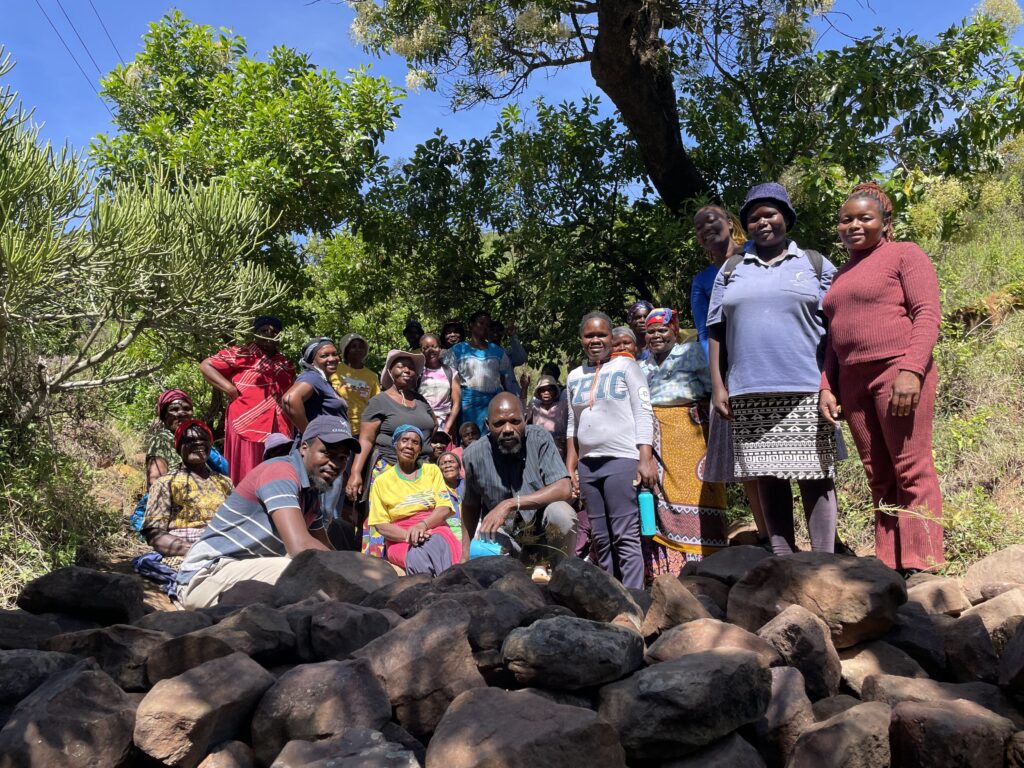
Youth, women and elders are happy with the loose gabion they built together in an eroded gully to slow down storm water and halt further erosion.
Four young women farmers: Lucy Luvhengo (36), Seani Manyoka,(33),Zwiswa Siphuma,(33) and Mbulaheni Thathaisa(37), all from Mazwimba, Venda, Limpopo, South Africa, have been on an exciting journey of transformation. This is their story.
In 2020, the Covid lockdown limited what we could do, and so we started participating in EarthLore’s community dialogues, agroecology trainings, and learning exchanges. We also attended seed and food fairs, rituals and ceremonies related to the agricultural calendar. Our understanding of nature, farming, our ancestral land and our role as young people and as custodians of the land and the environment has grown significantly since then.
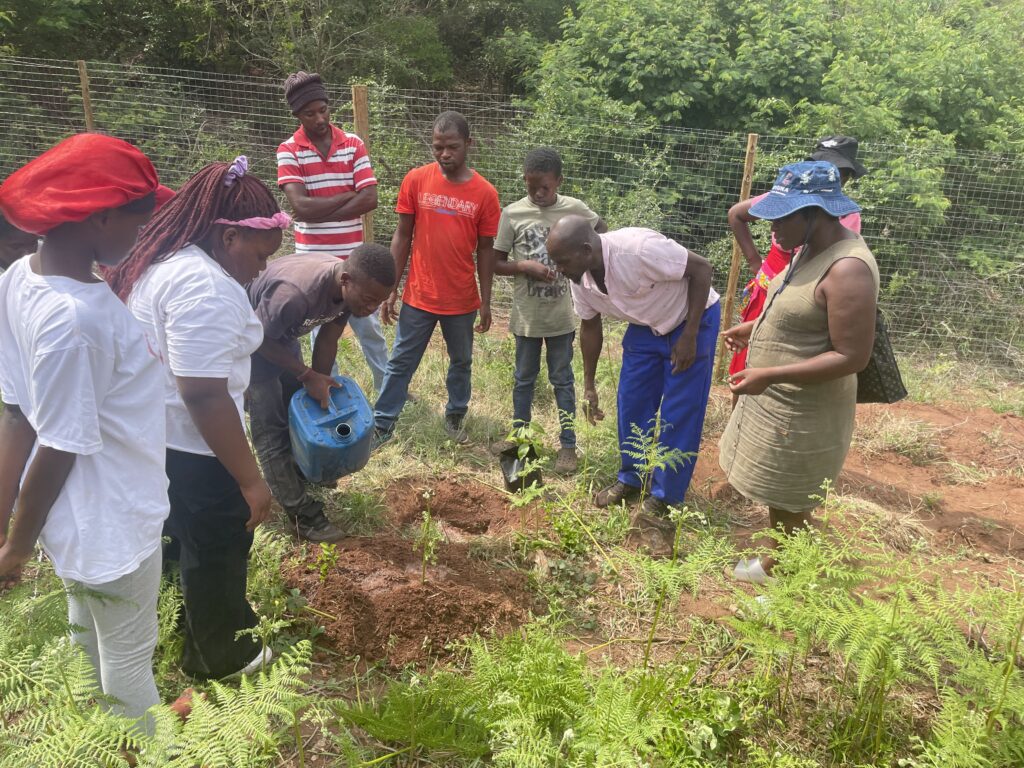
Samson Nkhata, AE trainer, showing youth in Mazwimba how to plant trees
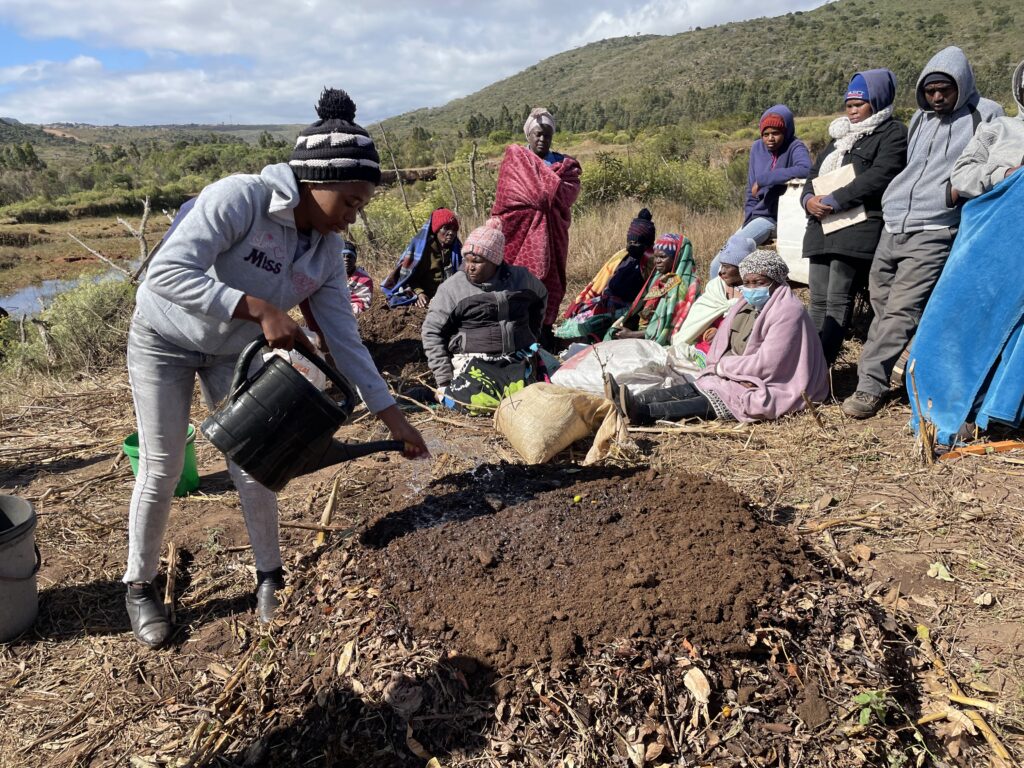
Youth learn by participating in making compost
Before we joined, we did not fully appreciate the value and purpose of farming. We viewed it as something that was done by older people and not an activity that young people could actively participate in. We also believed that farming was only for those with resources.
We came to understand the importance of farming as a way of caring for the land, preserving culture and traditions and strengthening communities. With the guidance of elders, we learned about preserving diverse seed varieties, including traditional seeds, like Finger millet, that had almost disappeared and that many of us had never come across before.
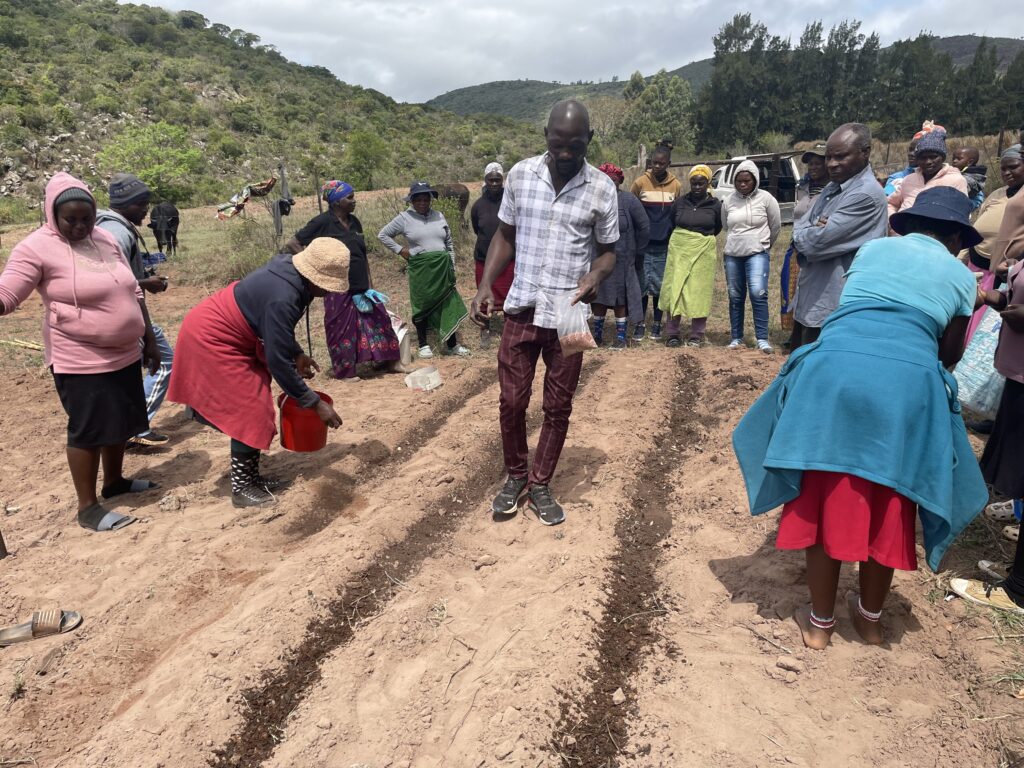
AE trainer, Samson Nkhata, demonstrates land preparation and sowing Pearl and Finger millet
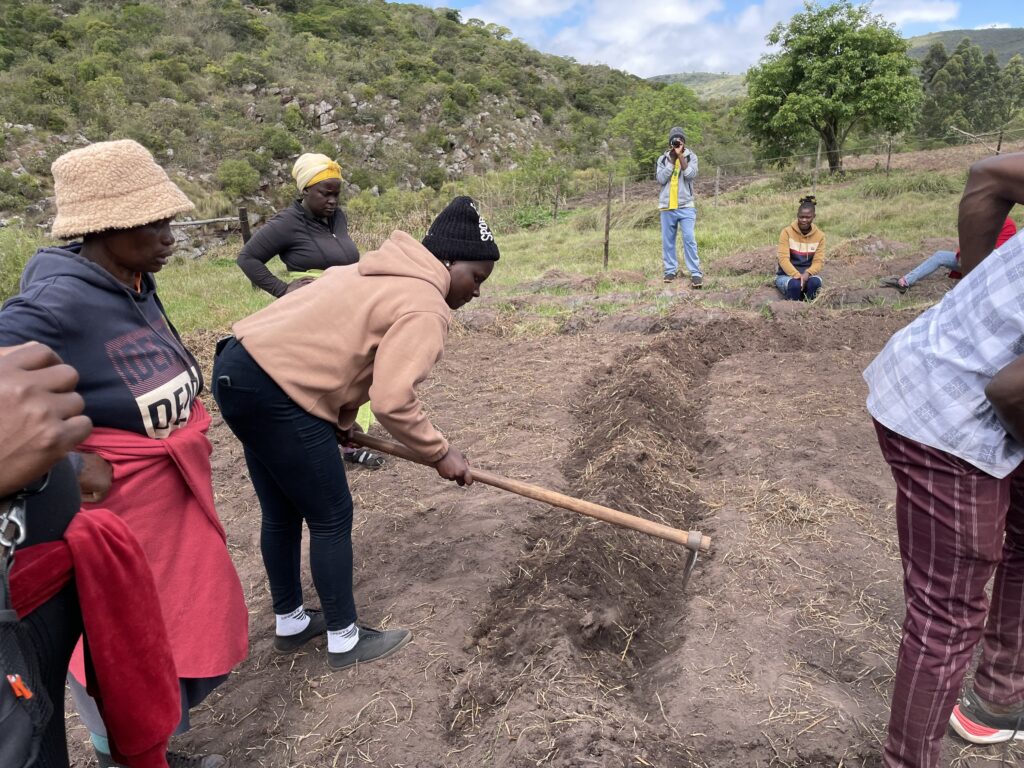
A young farmer digs a furrow before Pearl and Finger millet seeds are sown
Vho Merium Netshilunzhe, a respected elder and influential role model, especially for young women like us, welcomed us to work alongside her in her flourishing field, where we are gaining valuable practical experience in agroecological farming. She generously shares her knowledge with us and the harvest that we produce together. She introduced us to traditional crops like sorghum, traditional maize, indigenous potatoes, cowpeas.
We now understand that true wealth comes from the land and that farming is not only about producing food but also about preserving culture, protecting biodiversity, restoring ecosystems, and building confidence and resilient communities. Young farmers increasingly recognise agroecology as a pathway to creating livelihoods, addressing food insecurity, and providing positive opportunities that inspire other young people to reconnect with the land and help heal and transform it.
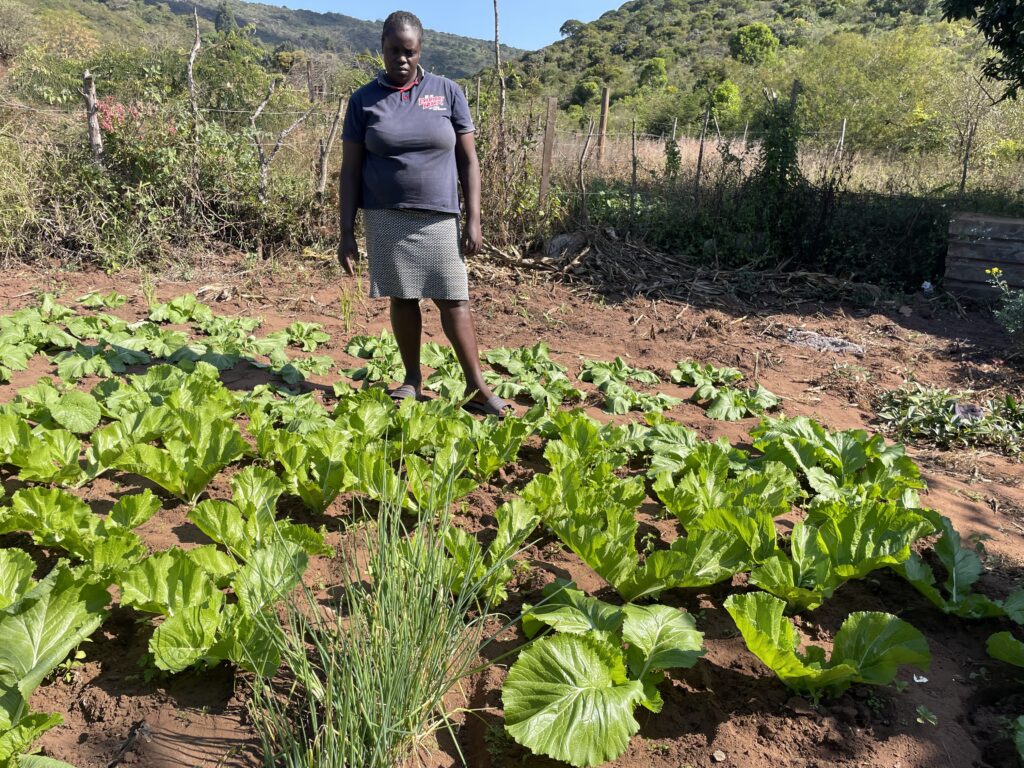
Vho Lucy in her food garden transformed from an unsightly and unsafe dump site
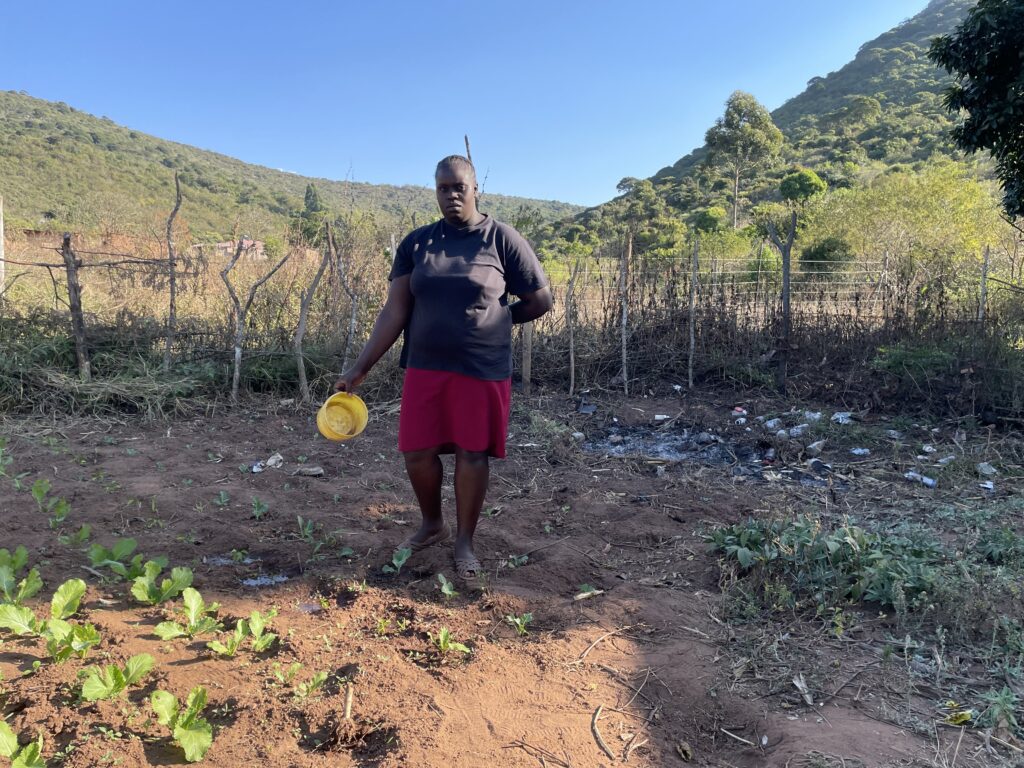
Vho Lucy at the start of transforming a dump site into a food garden
Elders guide us how to build traditional houses, well-suited to the environment and climate; to decorate floors and walls using cow dung and different types and colours of natural soils; to revive neglected pottery-making skills to create beautiful pots and containers; and to make traditional storage structures for our harvests. Our elders also share valuable indigenous knowledge about our cultural practices, including our traditional dances, and encourage us to be proud of wearing our beautiful traditional Venda clothes. Through these activities, we are preserving our cultural heritage while strengthening the connection between young people and elders, the land, and traditional knowledge systems.
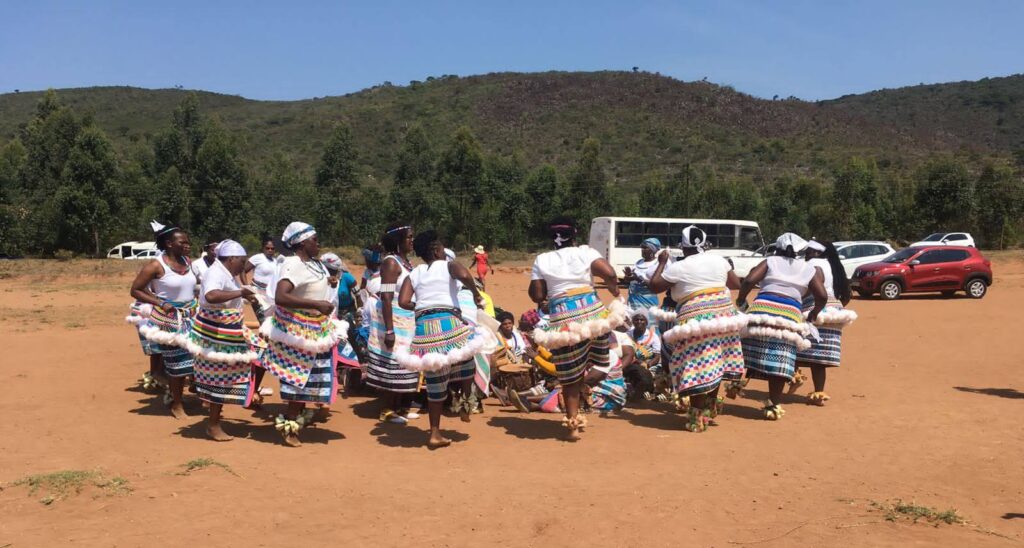
The traditional tshigombela dance, performed by women from Tshiavha in their vibrant costumes at the Mazwimba Seed & Food Fair, inspire the youth to value their culture.
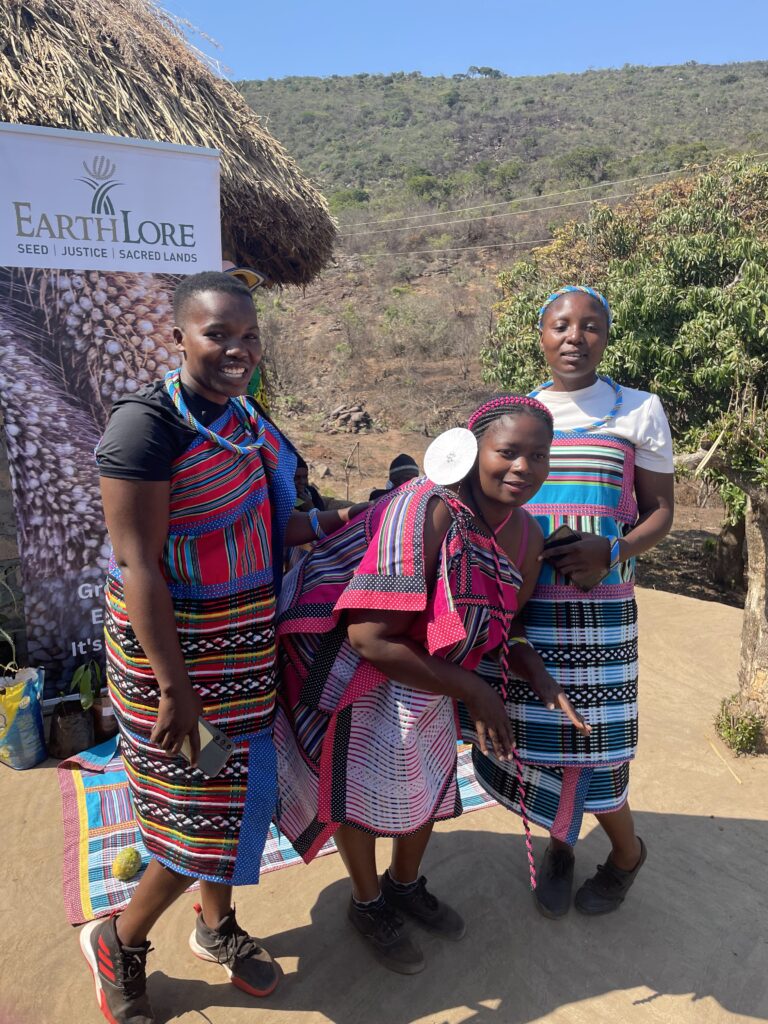
Learning exchanges bring young farmers together from different communities and cultures. Portia , Bongiwe & Nokuthula, young Swathi woment from Enkaba, Mpumalanga, enjoy dressing up in Venda traditional clothing at the opening of the Mazwimba Learning centre
This journey has taught us that learning leads to action, and action leads to transformation. Agroecology and environmental conservation go hand in hand. Working together as a community, restores degraded environments, protects biodiversity, strengthens food systems, and creates healthier places for both people and animals.
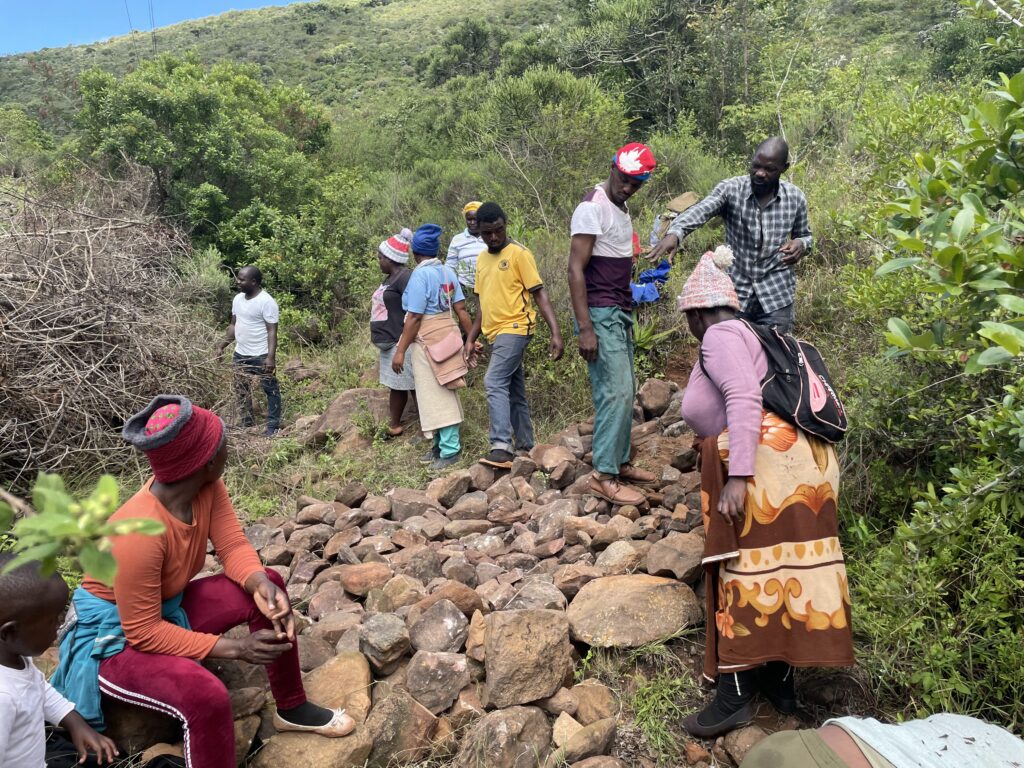
Constructing this loose gabion to slow down the flow of storm water serves as an effective erosion control measure and strengthens bonds between the older and younger generations through teamwork, problem-solving, and environmental awareness.
By growing knowledge, we are growing food, growing shrubs and trees, and growing a new generation of environmental stewards committed to caring for the land and strengthening the resilience of our communities.
Happy Youth Day South Africa!!

